
Understanding Bed Bugs: Identification and Behavior
What Are Bed Bugs?
Bed bugs, scientifically known as Cimex lectularius, are small, wingless insects that thrive on the blood of warm-blooded hosts, primarily humans. They are nocturnal creatures, often hiding in cracks and crevices during the day and emerging at night to feed. Adult bed bugs are approximately 5 to 7 mm long and can be recognized by their flat, oval bodies, which turn reddish-brown after feeding. Understanding their biology is crucial in managing infestations effectively.
Signs of Infestation
Identifying a bed bug infestation early can significantly impact the effectiveness of bed bug treatment. Common signs include:
- Red, itchy bite marks on the skin, often in a line or cluster.
- Small brown or red stains on sheets, which could be blood or fecal matter.
- Presence of molted shells or eggs in areas where bed bugs hide.
- A musty odor in heavily infested areas.
Bed Bug Habitats
Bed bugs are adept at hiding, making them challenging to eliminate. They prefer locations close to their food source—humans. Common habitats include:
- Mattresses and box springs.
- Bed frames and headboards.
- Couches, chairs, and any upholstery.
- Corners of rooms, behind baseboards, and wall hangings.
Preparing Your Home for Bed Bug Treatment
Cleaning and Decluttering
Before initiating any bed bug treatment, it’s essential to clean and declutter your home. This not only helps in better access for treatments but also reduces potential hiding places for bed bugs. Steps to follow include:
- Remove all clutter from affected areas.
- Vacuum carpets, floors, and furniture thoroughly.
- Seal vacuum bags and dispose of them immediately.
- Wash all bedding, linens, and clothing in hot water, then dry on high heat.
Protecting Your Belongings
Protecting your belongings during treatment is crucial. Consider using bed bug-proof covers for mattresses and box springs. Seal clothing and personal items in plastic bags until treatment is complete.
Setting Expectations
Be aware that bed bug treatment may take time. Different treatments require varying durations, and multiple sessions may be necessary to achieve complete elimination. Setting realistic expectations can lessen frustration during the process.
Types of Bed Bug Treatment Options
Chemical Treatments
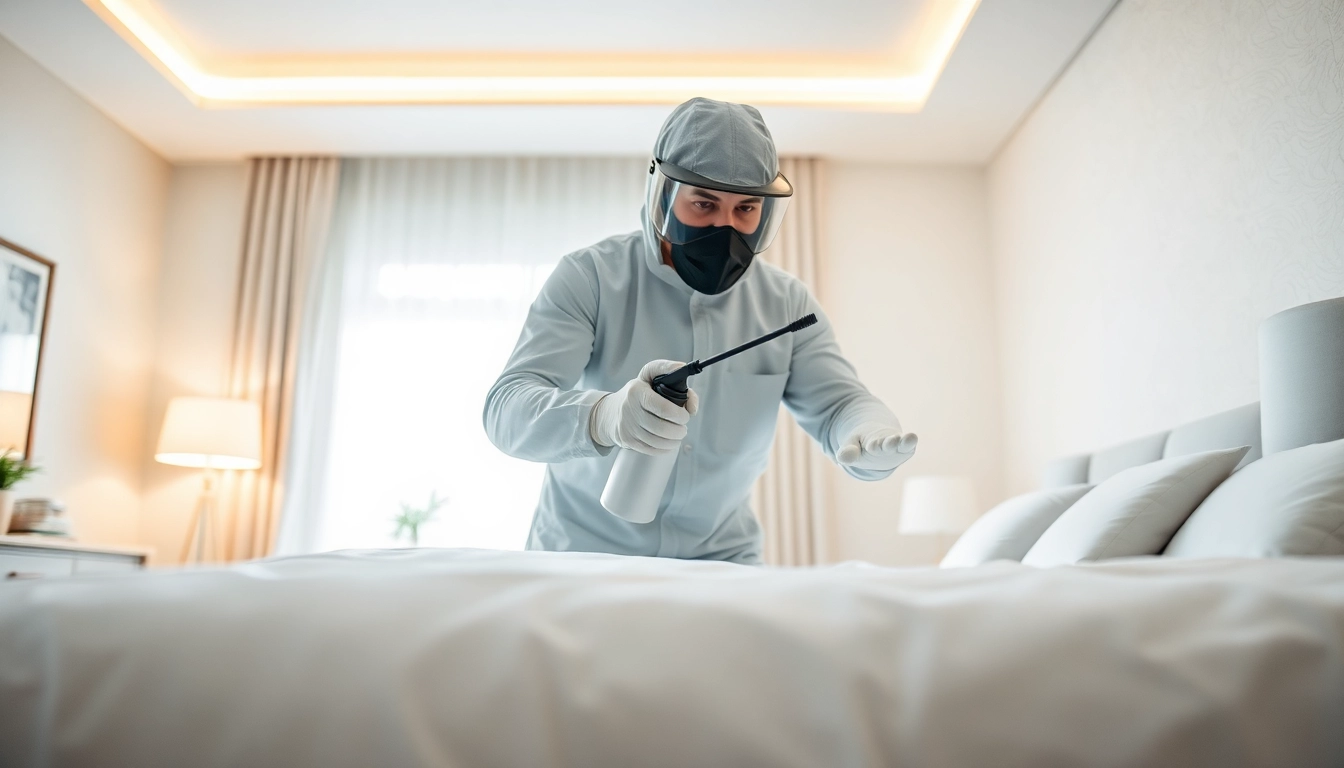
Chemical treatments often involve the use of pesticides that are specifically formulated to target bed bugs. Registered insecticides are applied in areas where bed bugs congregate. While effective, these treatments must be applied carefully to avoid health risks. Always follow instructions and consider professional assistance for significant infestations.
Heat Treatments
Heat treatments are an increasingly popular and effective method for eliminating bed bugs. This process involves raising the temperature of infested areas to levels lethal to bed bugs, usually between 120°F and 140°F. Methodically, all furniture is heated, ensuring that the temperature penetrates into difficult areas where bugs hide.
Natural Remedies
For those seeking environmentally friendly options, natural remedies can be considered. Common approaches include:
- Diatomaceous earth: A natural dust that can kill bed bugs by dehydrating them.
- Essential oils: Some oils like tea tree and lavender have insecticidal properties.
- Steam cleaning: High temperatures from steam cleaning can effectively kill bed bugs in furniture and carpets.
Implementing Bed Bug Treatment Effectively
Step-by-Step Treatment Guide
Implementing treatment effectively involves systematic and thorough steps:
- Identify affected areas and prepare your home.
- Choose a treatment method suitable for your situation.
- Apply treatments according to guidelines, ensuring you cover all potential hiding spots.
- Monitor the effectiveness of the treatment over time.
Follow-Up Actions
After initial treatments, follow-up actions are critical. Inspect the treated areas regularly and reapply treatments as necessary. Continue with cleaning protocols to minimize the chances of re-infestation.
Monitoring for Success
Monitoring for success involves observing the treated areas for signs of bed bugs. If new signs appear, it may indicate that the infestation persists or has reoccurred. In such cases, consult with a professional for further advice and potential additional treatment options.
FAQs About Bed Bug Treatment
What is the fastest way to get rid of bed bugs?
The fastest method is usually a combination of heat treatment and chemical treatments. Quick action in cleaning and vacuuming can also create a significant impact.
Are home remedies effective against bed bugs?
Some home remedies may deter bed bugs, but they are typically less effective than professional treatments. They can be supplementary, not a standalone solution.
How often should bed bug treatment be repeated?
Typically, treatments should be repeated every few weeks until there are no signs of bed bugs. Consistent monitoring is advisable.
Can bed bugs return after treatment?
Yes, bed bugs can return if there are no preventive measures in place post-treatment. Regular monitoring and cleanliness are key.
What should I do if I still see bed bugs?
If signs persist after treatment, contact a pest control professional for an assessment and potential re-treatment options.