Understanding Containerized Wastewater Treatment Systems
As concerns about environmental sustainability continue to grow, the demand for effective and efficient wastewater treatment has surged. Containerized wastewater treatment systems have emerged as a versatile solution that accommodates various water treatment challenges while offering rapid deployment and flexibility. These systems combine advanced technology with user-friendly design, making them suitable for both domestic and industrial applications. For those exploring their options, Wastewater Treatment System Manufacturers can provide comprehensive insights into available solutions.
What Are the Key Features of Containerized Systems?
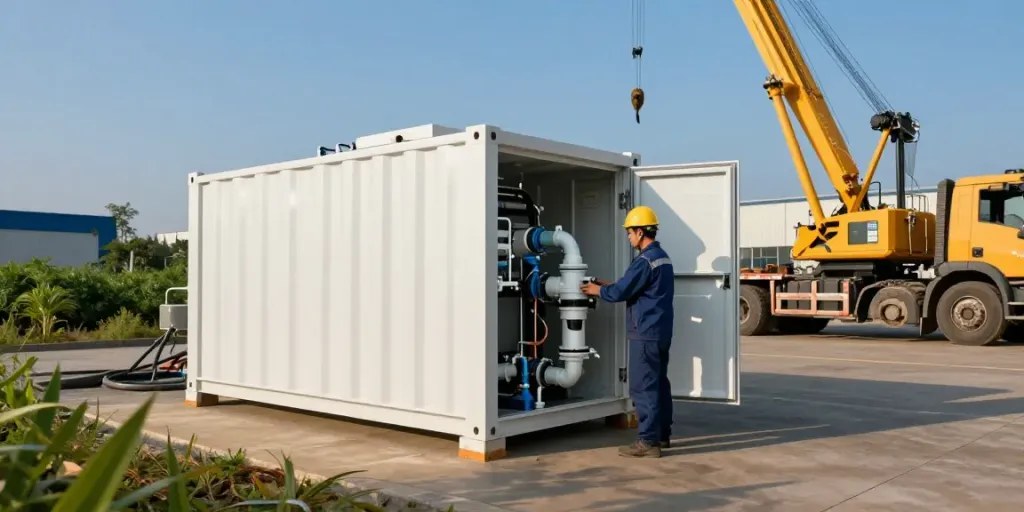
Containerized wastewater treatment systems are designed to be modular, pre-engineered, and fully integrated within standard shipping containers. This design facilitates ease of transport and installation, often requiring only basic equipment for setup. Key features include:
- Modularity: Systems can be expanded or scaled down based on demand.
- Transportability: Units are built within standard 20- or 40-foot containers, making relocation straightforward.
- Quick Installation: Most setups can be completed within one to two days, minimizing downtime.
- Environmental Compliance: Designed to meet local and international wastewater treatment standards.
Benefits of Modular Wastewater Treatment Solutions
Modular systems present significant advantages, transforming the landscape of wastewater treatment. Some of the key benefits include:
- Customization: Modular units can be tailored to specific site conditions and treatment requirements, allowing for highly efficient operations.
- Cost-Effective: These systems often require lower initial investments and can save on operational costs through enhanced efficiency.
- Scalability: As water treatment needs grow, adding additional modules is a manageable solution, allowing facilities to expand their capacity without significant disruption.
- Rapid Response: In emergency situations or during events requiring temporary treatment solutions, these systems can be deployed promptly, addressing urgent needs efficiently.
Comparing Containerized Options with Traditional Methods
When evaluating containerized systems against traditional wastewater treatment options, several distinctions arise. Traditional systems often involve extensive construction and installation processes, requiring significant lead time and capital outlay. Conversely, containerized systems offer:
- Reduced Construction Time: Minimal site preparation is needed, and installation is streamlined.
- Lower Maintenance Needs: Built-in efficiency means less frequent and less costly maintenance.
- Flexibility: Containerized systems can be relocated as needed, providing a dynamic solution for changing operational contexts.
Key Advantages of Working with Leading Wastewater Treatment System Manufacturers
Choosing a reliable wastewater treatment partner is critical for ensuring that your treatment system meets both operational and regulatory requirements. Engaging with leading wastewater treatment system manufacturers provides significant advantages that can enhance your project outcomes.
How to Evaluate Manufacturer Credibility and Expertise
In selecting a manufacturer, it is essential to evaluate their industry standing and experience. Consider the following:
- Track Record: Review case studies and testimonials from previous clients to gauge performance.
- Certifications: Legitimate manufacturers will hold necessary certifications that reflect compliance with industry standards.
- Innovative Solutions: Leading manufacturers invest in research and development, staying ahead of technological advancements.
Benefits of Pre-Engineered Solutions
Pre-engineered solutions minimize the risks associated with custom builds, ensuring efficiency and effectiveness from the outset. Benefits include:
- Quality Assurance: Pre-engineered systems are tested and validated before deployment, reducing the risk of operational failures.
- Accelerated Time to Market: By eliminating lengthy design and permitting processes, projects can be completed faster.
- Cost Predictability: Fixed pricing structures for pre-engineered systems help organizations maintain budgetary control.
Customization Options from Top Manufacturers
While pre-engineered solutions offer significant benefits, the ability to customize specific aspects of a wastewater treatment system is valuable. Top manufacturers often provide:
- Flexible Configurations: Options for layout and equipment choices based on treatment needs and site conditions.
- Integration with Existing Infrastructure: Systems designed to work cohesively with current setups can enhance overall performance.
- Scalable Enhancements: The ability to add additional treatment processes without major upheaval allows for future adaptability.
Challenges in Sourcing Wastewater Treatment Systems
Despite the advantages of containerized systems, sourcing them can present challenges that require strategic navigation. Key challenges include regulatory compliance issues, misconceptions about containerized units, and sourcing obstacles.
Addressing Regulatory Compliance Issues
Compliance with environmental regulations is non-negotiable in wastewater treatment. Manufacturers and operators must stay informed about:
- Local Requirements: Understanding specific local laws and regulations can guide the installation and operation of treatment systems.
- Permit Processes: Navigating the bureaucratic landscape for permits can delay projects; early engagement can mitigate these risks.
- Environmental Impact Assessments: Anticipating the need for impact assessments during planning stages can smooth approval processes.
Common Misconceptions About Containerized Units
Containerized wastewater treatment systems can sometimes be misunderstood. Common misconceptions include:
- Capacity Limitations: Many believe these systems are only suitable for small-scale applications, but they can handle large volumes through modular expansions.
- Complex Operation: Users may think these systems are complicated, but many are user-friendly with minimal operator requirements.
- Higher Operating Costs: Initial pricing might be perceived as high, but reduced labor and maintenance often lead to lower total costs.
Identifying and Overcoming Sourcing Obstacles
Potential sourcing obstacles include limited supplier availability and varying quality standards across manufacturers. To navigate these issues:
- Conduct Thorough Research: Investigate multiple manufacturers to compare product offerings and reliability.
- Leverage Industry Connections: Networking with professionals in the field can lead to recommendations for reputable manufacturers.
- Request Demonstrations: Arranging for product demonstrations offers insight into the system's practicality and effectiveness.
Best Practices for Implementing Wastewater Treatment Solutions
Successful implementation of wastewater treatment systems involves careful planning and execution. Below are best practices to ensure optimal performance and compliance.
Step-by-Step Guide to Deployment
To effectively deploy a containerized wastewater treatment system, follow these key steps:
- Site Assessment: Evaluate site conditions and determine infrastructure requirements.
- Regulatory Compliance: Secure necessary permits and ensure adherence to local regulations.
- Logistics Planning: Organize transport and installation logistics to minimize downtime.
- System Installation: Work with experienced personnel to ensure proper setup and configuration.
- Training Operators: Provide comprehensive training for operators to ensure smooth operation.
Operational Considerations for Maximum Efficiency
Maximizing efficiency requires continuous evaluation and adjustment of operational parameters. Key considerations include:
- Regular Maintenance: Schedule routine maintenance to identify potential issues before they escalate.
- Performance Monitoring: Implement monitoring systems to track treatment efficiency and compliance.
- Adaptation to Demand: Regularly assess and adjust treatment capacity based on fluctuating demand to avoid bottlenecks.
Monitoring and Maintenance Tips for Longevity
To ensure the longevity of containerized wastewater treatment systems, adopt the following practices:
- Keep Detailed Records: Document maintenance activities and system performance to identify trends and potential issues.
- Stay Ahead of Technology: Keep abreast of advancements in wastewater treatment technology to consider upgrades as necessary.
- Engage with Professionals: Consult with manufacturers and service providers for ongoing support and advice.
Future Trends in Wastewater Treatment Solutions by 2026
The landscape of wastewater treatment is poised for transformation over the coming years. Here are some anticipated trends that could shape the industry:
Technological Advancements on the Horizon
Innovation continues to drive progress in wastewater treatment technology. Key advancements expected include:
- Smart Monitoring Systems: The integration of IoT devices for real-time monitoring and data analytics will enable more responsive management of treatment processes.
- Energy Efficiency Improvements: New technologies aimed at reducing energy consumption while maintaining or improving treatment effectiveness.
- Biosolids Management Innovations: Enhanced methods for managing and reusing biosolids will contribute to sustainability efforts.
Environmental Impact Considerations
With growing awareness of environmental challenges, the wastewater treatment industry is pivoting towards sustainable practices, such as:
- Water Reuse: More facilities will implement treatment processes that allow for the reuse of water in non-potable applications, reducing overall consumption.
- Decentralized Solutions: Containerized systems will gain traction in remote areas, providing localized treatment options that minimize environmental footprints.
- Reduction of Carbon Emissions: Efforts to lower carbon emissions through energy-efficient systems and renewable energy integration will become more prevalent.
How Manufacturers Are Adapting to Market Changes
Manufacturers will need to be agile in responding to the dynamic market landscape by:
- Enhancing Responsiveness: Adapting product offerings to meet new demands and regulatory changes quickly.
- Investing in Research: Focusing research efforts on sustainable materials and technologies that promote environmental conservation.
- Fostering Partnerships: Collaborating with utilities, municipalities, and other stakeholders to develop comprehensive solutions that align with community needs.