Introduction to Genie Lift
In industries ranging from construction to maintenance, the need for reliable and efficient lifting equipment is paramount. The genie lift stands out as a preferred solution, known for its versatility and innovative design. This article delves deep into the advantages, applications, safety measures, and maintenance requirements for using a genie lift effectively.
What is a Genie Lift?
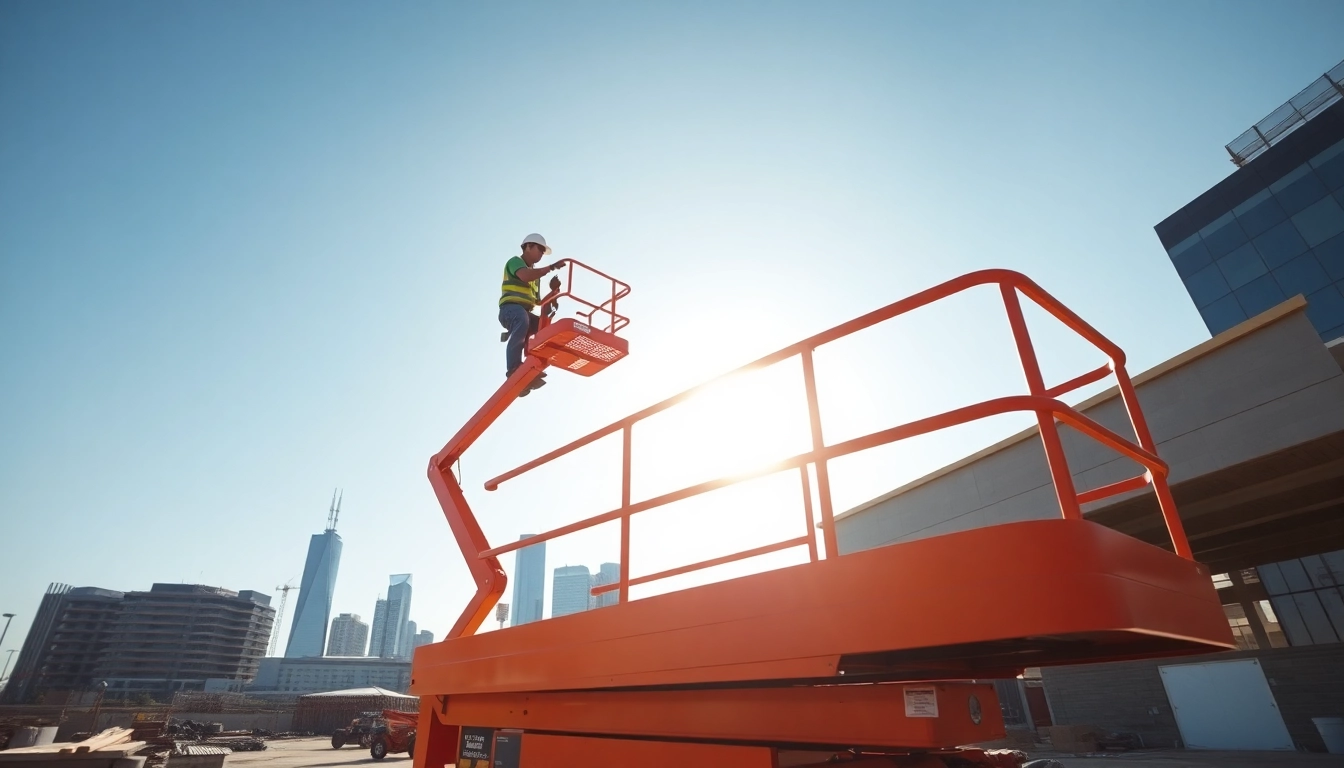
A genie lift is a type of aerial work platform that provides access to elevated areas, making it essential for various tasks such as construction, maintenance, and industrial operations. These lifts can be categorized into several types, including scissor lifts, articulated boom lifts, and telescopic boom lifts. Each type serves distinct purposes depending on the necessary reach, load capacity, and working environment.
Key Features and Benefits
Genie lifts offer numerous features that enhance safety and efficiency:
- Accessibility: Genie lifts provide a wide range of motion, reaching up to heights of 150 feet or more, depending on the model.
- Load Capacity: Designed to carry heavy loads safely, many genie lifts can support weights ranging from 500 to over 2,000 pounds.
- Versatility: With models suitable for both indoor and outdoor use, they can navigate complex job sites and rough terrain.
- Safety Features: Equipped with features such as automatic leveling, emergency stop buttons, and safety rails, genie lifts prioritize operator safety.
- Ease of Use: Many models come with intuitive controls and can often be operated by one person, increasing productivity.
Applications in Various Industries
Genie lifts find applications across numerous sectors:
- Construction: Ideal for roofing, painting, and installing high-rise structures.
- Warehousing: Used for stacking inventory in high racking systems.
- Maintenance: Perfect for routine building maintenance tasks such as lighting and HVAC repairs.
- Events: Common in setting up stages, lighting, and audiovisual equipment for concerts and large gatherings.
- Manufacturing: Essential for assembling products at high altitudes or in complex machinery settings.
Choosing the Right Genie Lift
Understanding Lift Types
When selecting a genie lift, it’s crucial to understand the differences between the types available:
- Scissor Lifts: These lifts have a crisscross, folding support design that allows for a vertical lift. They are best for stable surfaces and ideal for tasks requiring a lot of overhead reach.
- Articulated Boom Lifts: With a jointed arm, these lifts can reach around obstacles and provide access to hard-to-reach areas, making them excellent for maintenance and construction tasks.
- Telescopic Boom Lifts: These offer extended reach with a straight arm. They are suitable for tasks that require a higher vertical reach without navigating around obstacles.
Factors to Consider for Selection
Several criteria should guide your decision when selecting a genie lift:
- Height Requirements: Determine how high you need to reach for your specific task.
- Weight Capacity: Assess the weight of the equipment and personnel that will be using the lift.
- Ground Conditions: Consider the environmental conditions, such as terrain and surface stability.
- Indoor vs. Outdoor: Select a model that is designed for the environment you will be operating in – some are designed for rough outdoor terrains, while others are optimized for smooth indoor surfaces.
Safety Standards and Certifications
When operating a genie lift, adherence to safety standards is non-negotiable. Various regulatory bodies set forth guidelines that must be followed:
- OSHA Regulations: The Occupational Safety and Health Administration provides guidelines for safe lift operation, ensuring equipment meets specific safety criteria.
- ANSI Standards: The American National Standards Institute outlines operational safety standards for lifting equipment, which guarantee maximum safety during use.
- Manufacturer Certifications: Only use lifts that meet or exceed the manufacturer's safety specifications, ensuring reliability.
Operating a Genie Lift Safely
Pre-Operation Checks
Before operating a genie lift, thorough pre-operation checks should be conducted:
- Inspect the Equipment: Check for visible damage, leaks, and ensure all safety devices are functioning.
- Check the Batteries: Ensure that batteries are charged and connections are secure.
- Test Controls: Conduct a test of all control functions to ensure they are in working order.
- Review Operating Procedures: Familiarize yourself with the specific model's operational manual and adhere to recommended practices.
Best Practices for Operation
To ensure safe operation of a genie lift:
- Wear Safety Gear: Always use appropriate personal protective equipment, including helmets, gloves, and harnesses where necessary.
- Maintain Stability: Ensure that the lift is on stable and level ground, and refrain from overloading.
- Communicate: Maintain clear communication with crew members, especially when working in teams.
- Observe Surroundings: Stay aware of overhead hazards and avoid unstable or uneven surfaces while operating.
Common Mistakes to Avoid
Avoiding common operational errors is crucial for safety:
- Neglecting Safety Checks: Always perform safety checks before operation; ignoring them can lead to accidents.
- Overreaching: Do not extend beyond the lift’s defined working envelope, as this can lead to tipping or falling.
- Ignoring Weather Conditions: Avoid using lifts in high winds or inclement weather which may jeopardize safety.
- Improper Ground Conditions: Ensure that the surface can support the lift's weight and prevent tipping.
Maintenance Tips for Genie Lift
Daily and Weekly Maintenance
Regular maintenance is vital to keep a genie lift in optimal working condition:
- Check Fluid Levels: Regularly inspect hydraulic fluid, oil, and coolant levels.
- Inspect Tires: Ensure tires are inflated to recommended pressure and examine for wear or damage.
- Clean the Equipment: Regularly cleaning the lift can prevent debris from causing wear on mechanisms and paint from chipping.
- Examine Wiring and Connections: Check for fraying or exposure, ensuring all electrical and hydraulic connections are secure.
Scheduled Inspections
Beyond daily checks, regular thorough inspections should be scheduled:
- Monthly Inspections: Check for any wear and tear and document any maintenance issues encountered.
- Annual Maintenance: Have a qualified technician conduct a comprehensive inspection and service to build longevity and reliability.
Repairs and Troubleshooting
When issues arise, prompt attention is vital in preventing further damage:
- Identify Problems Early: Address unusual noises, sluggish operations, or warning lights immediately.
- Refer to Manuals: Utilize the operator's manual for troubleshooting common issues and recommended repairs.
- Professional Repairs: Engage a certified technician for repairs to ensure compliance with safety standards.
FAQs about Genie Lift Usage
What are the load limits for a genie lift?
The load limits vary by model. Most models support loads between 500 and 2,500 pounds, but it's essential to adhere to specific manufacturer guidelines.
How can I improve the lifespan of my genie lift?
Regular maintenance, adhering to operational guidelines, and avoiding overloading can enhance the lifespan of your genie lift significantly.
Are there training programs available for operating a genie lift?
Yes, many organizations offer certification programs that provide comprehensive training on the use and operation of a genie lift, ensuring safety and compliance.
What safety features should I look for?
Look for safety features such as emergency stop buttons, tilt and overload sensors, and safety railings to maximize operator safety.
Can a genie lift be used indoors?
Yes, many models are designed specifically for indoor use, with features that make them suitable for confined spaces.