Understanding Australia's Culture
Australia is a land defined by its rich tapestry of cultures, shaped by its Indigenous heritage and diverse modern influences. This cultural blend not only enriches the lives of its citizens but also captivates visitors from around the world. Among the myriad of experiences, the historical depth and contemporary dynamism offer remarkable insights into life in this multifaceted nation. For a closer look at what Australia has to offer, it’s essential to explore the following facets of its culture.
Rich Indigenous Heritage in Australia
The Indigenous cultures of Australia boast one of the oldest continuously practiced cultures globally, with evidence suggesting that Aboriginal Australians have inhabited the land for over 65,000 years. This immense heritage is reflected in their connection to the Land, spirituality, art, and oral traditions. The Dreamtime, a foundational aspect of Aboriginal spirituality, encompasses the stories and beliefs surrounding creation and nature. Traditional customs, ceremonies, and artistic expressions, such as paintings and dance, play a crucial role in preserving these ancient traditions.
Art is a significant element of Indigenous culture, with galleries across the nation showcasing Aboriginal and Torres Strait Islander artwork. Notably, the use of natural pigments and materials to create stories is a testament to their profound relationships with the environment. Locations such as the Art Gallery of New South Wales and the National Gallery of Australia highlight these remarkable expressions and invite visitors to engage with Australia's rich Aboriginal heritage.
Modern Influences Shaping Australia
In addition to its Indigenous roots, Australia’s culture is continually shaped by waves of immigration, creating a vibrant mosaic of influences. Post-World War II, significant migration from European, Asian, and Middle Eastern countries has given rise to a diverse society that values multiculturalism. Major cities like Sydney and Melbourne stand as prime examples of this cultural fusion, hosting festivals that celebrate everything from food to dance and music from around the world.
Culinary experiences in Australia have also evolved into a kaleidoscope of flavors influenced by multicultural backgrounds. The rise of modern Australian cuisine emphasizes fresh, local ingredients, with a focus on creating dishes that represent the diverse cultures present in Australia today. From Italian pasta to Thai curries, the food landscape is as diverse as its population.
Language and Communication in Australia
While English is the primary language spoken across Australia, the nation prides itself on its linguistic diversity. More than 300 languages are spoken, including many Indigenous languages that stem from different regions. Language plays a vital role in fostering understanding and connection among various cultural groups. The coexistence of languages enriches communication and promotes inclusivity, making Australia a vibrant society.
In everyday life, Australians are known for their approachable nature and “mate” culture, which reflects a sense of camaraderie and friendliness. Language evolves too, and Australians have a unique way of speaking characterized by slang and colloquialisms, making their English distinctively local.
Exploring Australia's Diverse Landscapes
Australia's geography is marked by its wide array of landscapes, from sprawling coastal areas to arid deserts and lush rainforests. Each region has its unique attractions and ecosystems, making it one of the most extraordinary places on Earth to explore. Let’s delve into the natural wonders and urban experiences that shape this remarkable country.
National Parks and Natural Wonders of Australia
Australia is renowned for its breathtaking national parks, which serve as sanctuaries for wildlife and nature lovers alike. Kakadu National Park, a UNESCO World Heritage Site, showcases the country’s rich biodiversity, encompassing wetlands, sandstone escarpments, and ancient rock art. Visitors can engage in various activities, such as birdwatching, hiking, and exploring Aboriginal cultural sites.
Another iconic landmark is Uluru (Ayers Rock), a massive sandstone monolith that rises dramatically from the surrounding landscape. This sacred site holds immense spiritual significance for the Anangu people, and visitors are encouraged to respect the land and its cultural heritage. Sunset views at Uluru are particularly breathtaking, revealing a palette of colors that change with the shifting light.
The Great Barrier Reef, stretching over 2,300 kilometers along the Queensland coast, is the world's largest coral reef system and another UNESCO World Heritage Site. Snorkeling and diving in this underwater paradise allow a glimpse into a vibrant world filled with diverse marine life, including intricately designed coral formations.
Urban Life in Australia’s Major Cities
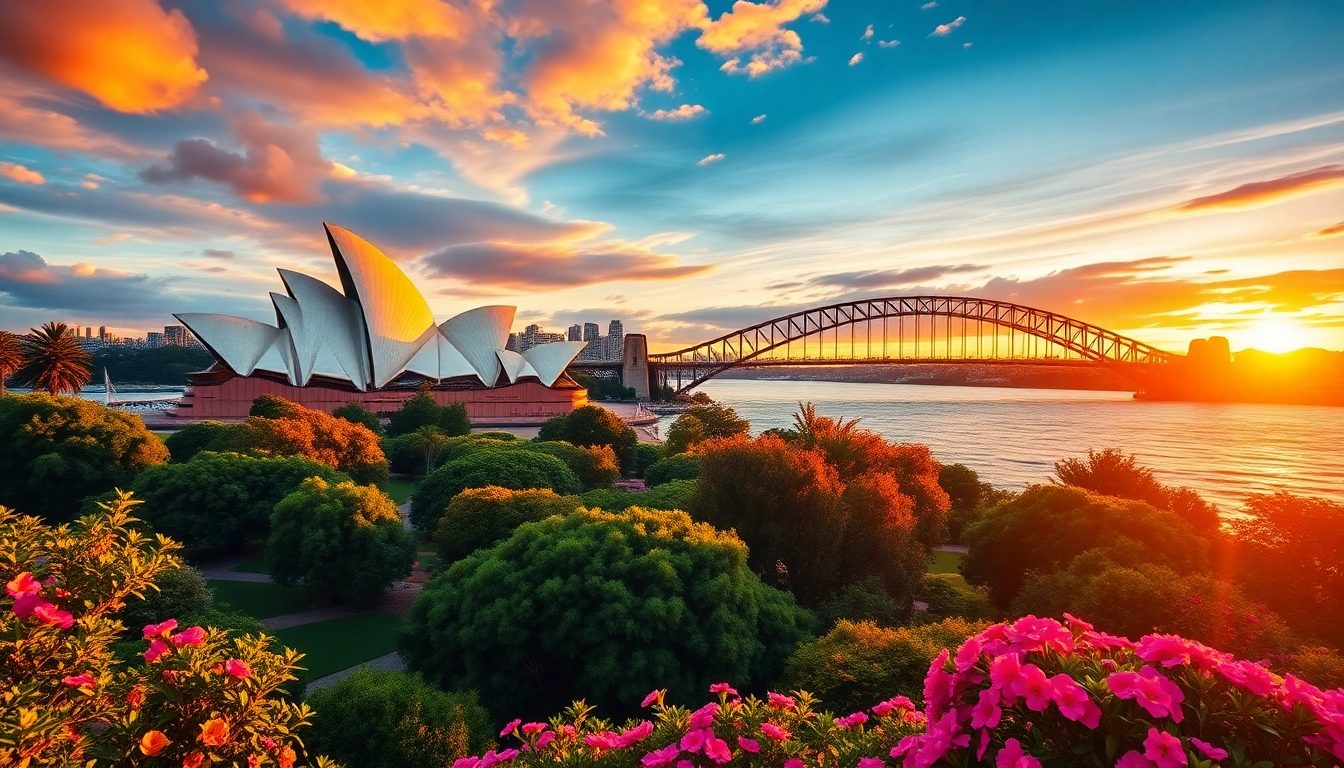
The urban centers of Australia, especially Sydney and Melbourne, provide a dynamic contrast to its vast natural landscapes. Sydney, known for its iconic Opera House and Harbour Bridge, is a bustling metropolis boasting a thriving arts scene, diverse culinary offerings, and vibrant nightlife. The city’s beaches, such as Bondi and Manly, are famous for surfing and socializing, making them essential parts of local life.
Melbourne, often described as the cultural capital of Australia, is home to numerous galleries, theaters, and live music venues. The Melbourne International Comedy Festival and the Melbourne International Film Festival are just two examples of the city’s dedication to nurturing creativity and artistic expression. The city’s laneways invite exploration with their street art and unique cafés, emphasizing its commitment to creative culture.
Coastal Regions and Their Attractions
The coastal regions of Australia are among the most sought-after by both locals and tourists. The Great Ocean Road, one of the world’s most scenic coastal drives, takes travelers through breathtaking landscapes, including the famed Twelve Apostles rock formations. This coastline is a haven for nature lovers and photographers eager to capture awe-inspiring views.
Other coastal attractions include the Whitsunday Islands, known for their white sandy beaches and crystal-clear waters. Activities such as sailing, snorkeling, and bushwalking offer countless opportunities for adventure and relaxation. The beaches along the southern coast, particularly in regions like Tasmania, provide stunning vistas and are popular for hiking and wildlife spotting.
The Economy of Australia
As one of the wealthiest nations in the world, Australia boasts a strong, diverse economy characterized by a mix of industries and services that contribute to its high standard of living. Understanding this economic landscape is vital for grasping the overall functioning of this prosperous nation.
Key Industries Driving Growth in Australia
Australia's economy is driven by several key industries, including mining, agriculture, and services. The mining sector, particularly in coal, iron ore, and gold, plays a significant role in the national economy, with Australia being a leading exporter of these commodities. The agricultural sector is equally vital, producing a range of goods from wheat and beef to wine, showcasing Australia's agricultural diversity.
Services, particularly in finance, education, and tourism, also dominate the economy. Australia’s education system attracts thousands of international students, benefiting from its world-class universities and institutions. Tourism plays a significant role, with millions flocking to experience its rich natural wonders and cultural heritage each year.
Currency and Cost of Living in Australia
The Australian dollar (AUD) is the currency used throughout the country, with its value influenced by various factors, including the mining and export sectors. The cost of living varies across the nation, with major cities like Sydney and Melbourne exhibiting higher living expenses compared to regional areas. Housing, food, and transportation costs can be significant, especially in urban centers.
For expatriates and visitors, understanding the financial landscape is crucial for effective budgeting. It’s essential to be aware of local price ranges for accommodation, dining, entertainment, and transportation to ensure a sustainable living experience.
Job Market Overview in Australia
The Australian job market presents ample opportunities across various sectors, appealing to both local residents and skilled immigrants. Key industries such as healthcare, technology, and engineering are rapidly expanding, supported by a skilled workforce and immigration policies favoring individuals with in-demand skills.
Job seekers can leverage various platforms and resources to explore available opportunities in their fields. Networking events, professional organizations, and recruitment agencies can be beneficial for understanding the local job market and finding suitable employment. It's advised to be proactive in job searching, adapting resumes to reflect local standards, and preparing for interviews effectively.
Traveling in Australia
Visiting Australia is an adventure filled with enticing landscapes, diverse cultures, and fascinating experiences. Whether you're planning a trip for relaxation or exploration, understanding important travel aspects can enhance your journey significantly.
Best Time to Visit Australia
The ideal time to visit Australia largely depends on the regions you wish to explore. Generally, Australia enjoys a mild winter from June to August and a warm summer from December to February. The coastal areas are especially delightful during these months, attracting sun-seekers to beautiful beaches and outdoor activities. Conversely, the northern regions offer a tropical climate with a rainy season from December to March.
If you are seeking fewer crowds and favorable weather, consider planning your visit during the shoulder seasons of spring (September to November) or fall (March to May).
Travel Tips for Visiting Australia
When traveling in Australia, it’s vital to stay informed about local customs and regulations. Always respect cultural sites, especially those of Indigenous significance, and abide by environmental conservation policies to protect the unique landscapes. Additionally, securing travel insurance provides peace of mind against unforeseen circumstances.
Utilizing public transport in major cities can save costs and minimize environmental impact. Familiarize yourself with local apps and transport services to streamline your travel experience. Always plan itineraries ahead to maximize exploration of this vast nation!
Transport Options Around Australia
Getting around Australia can be an exciting part of your travel experience. Domestic flights connect major cities efficiently, while long road trips through stunning landscapes reveal the beauty of the countryside. Coaches and trains offer comfortable alternatives, with routes such as the Indian Pacific and Ghan delivering picturesque views.
Car rentals encourage road tripping, with iconic routes like the Great Ocean Road or Pacific Coast Highway awaiting your exploration. Always remember to follow road rules, as driving on the left side can be a significant adjustment for many visitors.
FAQs About Australia
What is the climate like in Australia?
Australia’s climate varies by region, ranging from tropical in the north to temperate in the south, with distinct seasons that impact travel plans.
What is Australia famous for?
Australia is famous for stunning beaches, the Great Barrier Reef, unique wildlife including kangaroos and koalas, and vibrant multicultural cities.
How large is Australia?
Australia is the sixth-largest country in the world by total area, covering approximately 7.7 million square kilometers, offering diverse landscapes.
What languages are spoken in Australia?
While English is the primary language, Australia is home to over 300 languages, including many Indigenous languages reflecting its cultural richness.
Is Australia safe for travelers?
Australia is generally safe, with low crime rates and good healthcare systems. Following local guidelines increases safety during your visit.