Understanding the Role of a Real Estate Photographer
In today's competitive housing market, the role of a Real Estate Photographer has become increasingly crucial. This niche within photography combines technical skill, artistic vision, and a keen understanding of the real estate market. In this section, we will explore the foundations of real estate photography, its significant impact on property sales, and the numerous benefits it brings to sellers, agents, and buyers alike.
The Basics of Real Estate Photography
Real estate photography focuses on capturing properties in a way that highlights their best features while providing potential buyers with a comprehensive view of the space. It requires specific skills in photography such as composition, lighting, and understanding how to present a home's unique character. The goal is to create inviting visuals that can elevate a listing’s appeal and stand out in the crowded property market.
Importance in the Real Estate Market
In the digital age, buyers often start their search online, making first impressions critical. High-quality photographs can significantly influence a buyer's perception of a property. Research shows that properties with professional photos sell 32% faster than those with lower quality images. Moreover, listings with well-staged and shot images receive more inquiries, leading to quicker sales and potentially higher offers.
Benefits of Professional Photography
Hiring a professional photographer comes with numerous perks. Not only do these experts know how to manipulate light and angles for the best results, but they also understand the psychology behind what attracts buyers. Professional images help highlight a property's strengths, downplay weaknesses, and create an emotional connection with potential buyers, fostering a sense of home even before they step through the door.
Techniques Used by Real Estate Photographers
Mastering the craft of real estate photography involves understanding various photography techniques and equipment. Below, we delve into the essential tools and tactics that set professional photographers apart.
Camera Equipment Essentials
While shooting real estate photos, the choice of equipment plays a vital role. A DSLR or mirrorless camera with a wide-angle lens is preferred for capturing the essence of spaces. A lens in the 16-35mm range works best for interior shots, allowing photographers to encompass more of the room in a single frame. Additionally, a sturdy tripod, remote shutter release, and external flash can enhance image quality, brightness, and stability during shooting.
Lighting Techniques for Stunning Images
Lighting is the heartbeat of great photography. During the day, natural light should be utilized to its fullest, with shots taken at peak hours for the brightest, most flattering results. However, when natural light is insufficient, artificial lighting can be added strategically to illuminate darker areas of a room. Using a combination of ambient light and flash can create a balanced exposure without overexposing certain areas.
Composition Strategies That Attract Buyers
Composition involves arranging elements within a frame to create a harmonious image. Real estate photographers employ techniques such as the rule of thirds, leading lines, and framing to enhance their photos. Placing key features of a room along intersecting lines can draw the viewer's eye naturally through the image. Additionally, ensuring that vertical lines (like walls) remain straight and not distorted is essential for maintaining professionalism in the shots.
Choosing the Right Real Estate Photographer
Selecting the ideal real estate photographer requires careful consideration of various factors. This section aims to guide you through the process of finding a professional who meets your specific needs.
Assessing Portfolio and Experience
When evaluating potential photographers, begin by reviewing their portfolio. Look for styles that resonate with your vision for the property. Pay attention to details like consistency in image quality, composition, and lighting. An experienced photographer will also have a diverse portfolio showcasing various property types, including luxury homes and commercial real estate, enabling you to gauge their adaptability.
Questions to Ask Before Hiring
Prior to making a decision, ensure you have a conversation with the photographer. Ask about their experience in the real estate sector, the types of properties they specialize in, and their turnaround time for editing and delivering images. Inquire about copyrights and whether you will receive high-resolution images for your marketing needs. Understanding these details can prevent misunderstandings down the line.
Understanding Pricing and Packages
Real estate photography pricing varies significantly based on factors such as location, property size, and the photographer's expertise. Most professionals offer packages that may include a set number of photos, drone shots, or virtual tours. Understanding what each package offers, alongside pricing, is key to making an informed decision that fits your budget while ensuring quality service.
Maximizing Property Appeal Through Photography
The presentation of a property is crucial in enticing potential buyers. From staging the environment to advanced editing techniques, several strategies can be employed to maximize visual appeal.
Staging for Success
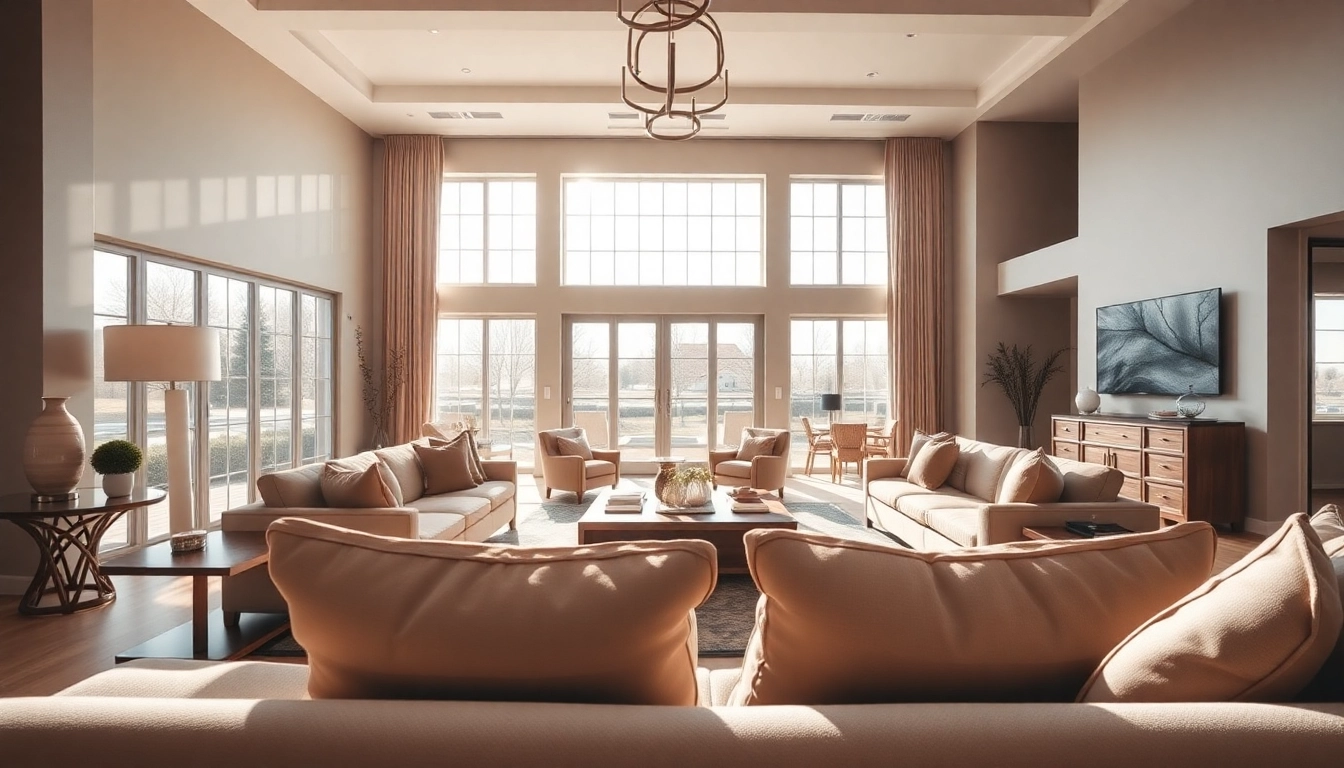
Staging involves arranging furniture and decor to showcase the property in its best light. A well-staged home appears more inviting and helps buyers visualize themselves in the space. To achieve this, decluttering is essential, alongside strategic placement of furniture that enhances flow and draws attention to key selling points. When combined with professional photography, the results can be striking.
Utilizing Virtual Tours
With advancements in technology, virtual tours have become a powerful tool in real estate marketing. These immersive experiences allow potential buyers to navigate a property remotely, providing a sense of space that static images cannot convey. Photographers can create 3D models and video tours, allowing clients to explore listings from their devices, increasing engagement and interest.
Editing Techniques that Enhance Visuals
Post-processing is where the magic often happens in real estate photography. Techniques such as color correction, HDR blending, and retouching can refine images to ensure they are captivating and true-to-life. It’s important that editing is conducted to enhance aesthetics while maintaining accuracy, as misleading photographs can damage credibility and hurt sales results.
Frequently Asked Questions about Real Estate Photography
How much does a real estate photographer charge?
Pricing varies widely based on location and services, typically ranging from $150 to $500 per session. It's essential to understand what is included in each package.
What should I expect during a photoshoot?
Expect a thorough consultation, property preparation, multiple shots, and a quick turnaround on edits, often within 2-3 days.
Can real estate photography help sell my property faster?
Yes, professional images can significantly increase interest and expedite the sales process by showcasing your property’s best features effectively.
What types of photography should I include?
Consider interior, exterior, aerial, and virtual tour photography to ensure comprehensive coverage of your property.
How important is post-processing in real estate photography?
Editing enhances images, ensuring they appear inviting and professional, crucial for success in competitive markets where every detail counts.