Understanding Pergola Configurator Software
Pergolas are more than mere architectural elements; they are essential features that enhance outdoor living experiences. To maximize their potential, businesses are increasingly turning to pergola configurator software. This technology allows customers to visualize and customize their pergola options, making the decision-making process easier and more enjoyable. In this article, we will delve into what pergola configurator software is, its benefits, key features, and how it can transform customer experiences.
What is Pergola Configurator Software?
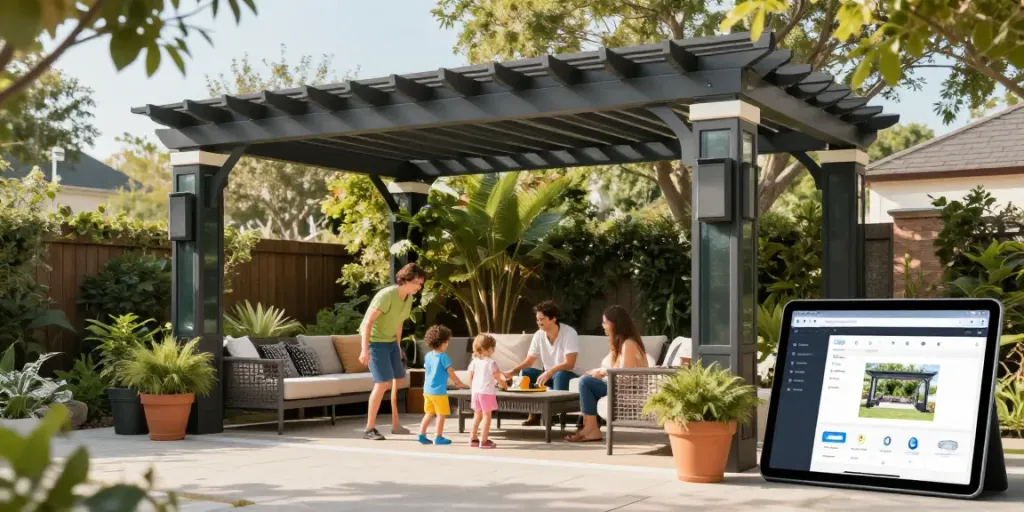
Pergola configurator software is a specialized tool designed to assist clients in the design and configuration of custom pergolas. This software typically provides a user-friendly interface where customers can select various options such as dimensions, materials, finishes, and additional features like louvered roofs and side screens. By enabling users to visualize their choices in real-time, this software eliminates the guesswork often associated with outdoor design.
Benefits of Using Pergola Configurator Software
- Enhanced Customer Engagement: The interactive experience captivates users, making them more likely to invest in their custom design.
- Increased Sales: A straightforward configuration process can lead to faster decision-making, ultimately boosting sales conversion rates.
- Customization and Flexibility: Customers appreciate the ability to tailor their pergolas to fit their unique outdoor spaces.
- Reduced Errors: Real-time configuration minimizes misunderstandings about dimensions and features, leading to fewer costly mistakes during production.
Key Features to Look For
When selecting pergola configurator software, it’s critical to consider several key features that will enhance its usability and effectiveness:
- Intuitive User Interface: A clean and navigable layout ensures customers can easily tailor their designs.
- 3D Visualization: Real-time 3D modeling enables customers to see how their pergola will look in their outdoor space.
- Multiple Customization Options: The ability to select materials, colors, and finishes to match personal style.
- Integration Capabilities: The software should seamlessly connect with sales and inventory systems for efficient order management.
- Pricing Calculators: Instant quotes based on selected configurations help customers stay within budget.
How Pergola Configurators Enhance Customer Experience
The introduction of configurators has revolutionized the customer experience in the outdoor design market. By allowing customers to engage with the product in a meaningful way, businesses can build deeper connections and foster brand loyalty.
Visualizing Custom Designs in Real-Time
One of the standout features of pergola configurator software is the ability to visualize designs as they are being created. This not only enhances the customer’s connection to the product but also aids in reducing potential dissatisfaction by providing a clear representation of the final product.
Simplifying the Decision-Making Process
With so many options available, customers can often feel overwhelmed. Pergola configurators simplify this process by streamlining choices and presenting only compatible options. This personalized journey empowers customers to make informed decisions without the stress of navigating extensive catalogs.
Creating an Engaging Customer Journey
The interactivity of configurators contributes to a more engaging customer journey. By transforming the buying process into an enjoyable experience, brands can foster repeat business and referrals. The excitement of seeing their ideas come to life can be a game changer in customer relations.
Best Practices for Implementing Pergola Configurator Software
To truly capitalize on the benefits of pergola configurator software, businesses must implement best practices throughout the process.
Gathering Product Information and Assets
Before deploying configurator software, it is essential to gather accurate product data, including specifications, dimensions, and imagery. This foundational step ensures that the configurator can provide precise configurations that align with what the business can deliver.
Integrating with Sales and Order Systems
Successful implementation also involves integrating the configurator with existing sales and order management systems. This seamless interaction ensures accurate quoting and inventory management, enhancing operational efficiency.
Testing Usability and Performance
Finally, rigorous testing is essential to ensure that the configurator runs smoothly and is user-friendly. Gathering feedback during this stage allows teams to make necessary adjustments and improvements before launching.
Real-World Applications and Case Studies
Examining how various companies have successfully implemented pergola configurator software reveals valuable insights into best practices and potential pitfalls.
Success Stories from Leading Brands
Industry leaders that have effectively used configurators report significant increases in customer satisfaction and sales. For instance, a well-known outdoor living brand utilized a configurator to offer personalized pergola designs, resulting in a 25% boost in sales over a six-month period.
Common Challenges and Solutions
Despite the advantages, some companies face challenges when adopting configurator software. Common issues include technical glitches and customer resistance to new technologies. However, thorough training and robust customer support can mitigate these challenges, paving the way for a smoother transition.
Performance Metrics to Measure Success
To assess the effectiveness of a pergola configurator, businesses should monitor key performance indicators such as user engagement rates, conversion rates, and customer feedback scores. These metrics provide insight into areas that may require refinements or enhancements.
Trends and Future of Pergola Design Technology
As technology continues to evolve, new trends emerge that influence pergola design and configurator functionalities.
Emerging Features and Innovations
Innovations such as augmented reality (AR) are beginning to play a role in configurator software, allowing users to visualize their designs in real-world settings before making a purchase. This technology promises to further enhance user engagement and confidence in buying decisions.
Predictions for 2026 and Beyond
By 2026, it is anticipated that pergola configurator software will become an industry standard. As more companies embrace digital solutions, the competition will drive further enhancements in user experience and configurator capabilities.
Impact on Landscaping and Outdoor Living Trends
The integration of advanced configurator technologies will likely influence broader landscaping and outdoor living trends, as homeowners seek personalized solutions that blend aesthetics with functionality. This shift emphasizes the importance of flexibility and customization in outdoor design.
What are the benefits of using pergola configurator software?
Pergola configurator software enhances customer engagement, boosts sales, provides customization options, and reduces errors during the configuration process, making it an essential tool for businesses in the outdoor living industry.
How does a pergola configurator enhance customer experience?
By enabling real-time customization and visualization, pergola configurators simplify the decision-making process, foster engagement, and ultimately lead to a more satisfying customer journey.
What are the essential features of pergola configurator software?
Essential features include an intuitive user interface, 3D visualization capabilities, multiple customization options, integration capabilities, and pricing calculators for instant quotes.
How can I integrate pergola configurator software into my business?
Integration involves gathering product information, connecting with sales and order systems, and testing the configurator’s usability and performance before full-scale implementation.
What trends should I watch for in pergola design technology?
Key trends to watch include the rise of augmented reality in configurators, the increasing importance of personalization, and the adoption of AI-driven design recommendations.